
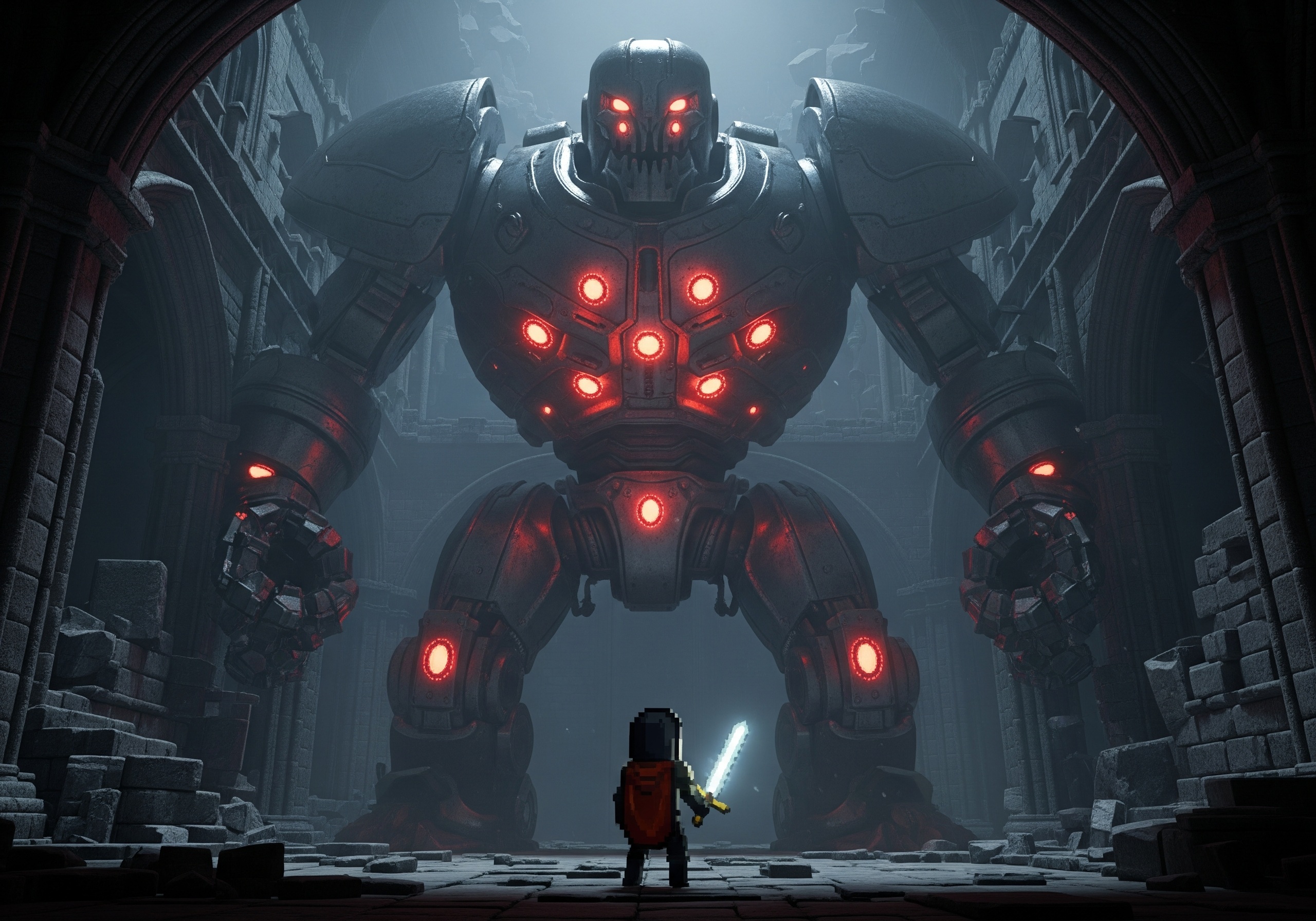
The Psychology of Difficulty: Why Classic Games Feel Fair Even When They're Hard
Explore the psychological principles behind classic game difficulty and why retro games create satisfying challenges that feel fair rather than frustrating.
The Difficulty Paradox
Here's a strange truth about classic games: they're often brutally difficult, yet they rarely feel unfair. Compare this to some modern games that are objectively easier but leave players feeling frustrated or cheated.
What's the difference? The answer lies in psychology.
The Three Pillars of Fair Difficulty
1. Clear Cause and Effect
In the best classic games, every death has an obvious cause:
Mega Man:
- You see the spike pit before you jump
- Enemy patterns are consistent and learnable
- Your own reflexes determine success
Contra:
- Bullets are visible and avoidable
- Enemy positions are fixed and predictable
- Death comes from your mistakes, not random chance
When players understand why they died, they know how to improve. This transforms frustration into motivation.
2. Immediate Feedback
Classic games provide instant, clear feedback for every action:
| Action | Feedback |
|---|---|
| Hit an enemy | Flash, sound, damage number |
| Get hit | Screen shake, sound, health decrease |
| Collect item | Chime, visual pickup effect |
| Die | Explosion/animation, immediate restart |
This tight feedback loop means you never wonder "what went wrong?" The game tells you immediately.
3. Pattern Recognition
Human brains are pattern-matching machines. Classic games leverage this by:
- Using consistent enemy behaviors
- Repeating level structures (with variations)
- Teaching mechanics through repetition
- Rewarding players who learn patterns
When you die to a boss 20 times and finally beat it, you've learned its patterns. That victory feels earned.
The Flow Channel
Psychologist Mihaly Csikszentmihalyi identified the concept of flow — a state of complete immersion in an activity. Games achieve flow when challenge matches skill:
                    High Challenge
                          |
          Anxiety   ------+------ FLOW
                          |
                    Boredom
                          |
                    Low Challenge
        Low Skill ←——————————————→ High Skill
Classic games excel at keeping players in the flow channel because:
- Levels increase difficulty gradually — As your skill improves, so does the challenge
- Extra lives provide second chances — You can practice without starting completely over
- Power-ups offer temporary relief — Difficulty spikes become manageable
- Mastery is always possible — Given enough practice, any player can improve
Why Modern Games Sometimes Miss the Mark
Some modern games struggle with difficulty because:
Random Elements
When difficulty comes from randomness rather than skill, deaths feel unfair. Players can't learn from random events.
Unclear Mechanics
If players don't understand why they died, they can't improve. Obscure damage sources or unclear hitboxes create frustration.
Checkpoints Too Far Apart
Long stretches without checkpoints punish players by making them repeat mastered content. Classic games often had challenging sections but quick restart times.
Inconsistent Rules
When the game breaks its own rules (enemies that behave differently for no reason, invisible walls, etc.), trust is broken.
Case Study: Castlevania
Castlevania is notoriously difficult, yet beloved. Why?
Clear Rules:
- Simon Belmont's jump is fixed — you can't change direction mid-air
- Enemies follow predictable patterns
- Damage comes from obvious sources
Fair Challenge:
- Every section can be learned
- Hearts provide subweapon ammunition
- Checkpoints are placed before difficult sections
- Continues let you restart the current stage
Meaningful Progression:
- Each completed level feels like an achievement
- Boss patterns become familiar
- Players develop genuine skills
The difficulty is brutal but honest. You know exactly what the game expects from you.
The Satisfaction Formula
The psychological satisfaction of beating a challenging game follows a formula:
Satisfaction = Challenge × Investment × Clarity
- Challenge: How difficult was the task?
- Investment: How much time and effort did you put in?
- Clarity: How well did you understand what you needed to do?
Classic games maximize all three variables. High challenge, significant investment (lives, continues, practice time), and crystal-clear rules.
Designing Fair Difficulty
If you're designing a game, consider these principles from classic game design:
1. Teach Before Testing
Introduce mechanics in safe environments before challenging players to use them under pressure.
2. Make Death Readable
Every death should have an obvious cause. Players should immediately know what they did wrong.
3. Respect Player Time
Keep checkpoints reasonable. Don't make players repeat content they've already mastered.
4. Be Consistent
Rules should work the same way throughout the game. If enemies die in two hits, all enemies of that type should die in two hits.
5. Allow Mastery
Give players enough attempts to learn. Don't gate progress behind paywalls or artificial waiting periods.
The Joy of Overcoming
There's a reason people still play Ghosts 'n Goblins, Battletoads, and Ninja Gaiden decades after release. These games are punishingly hard, but they're fair.
The satisfaction of finally beating that level you've been stuck on for hours, of learning a boss pattern through trial and error, of improving through genuine skill development — this is what makes classic games timeless.
Modern games can learn from this approach. Difficulty isn't the enemy of fun; poorly designed difficulty is. When challenge is clear, consistent, and conquerable, it becomes the source of gaming's deepest satisfactions.
Try These Challenging Classics
Ready to test your skills against fair-but-difficult classics?
- Mega Man — Pattern-based challenge perfection
- Castlevania — Gothic difficulty done right
- Contra — Reflexes and memorization
- Ghosts 'n Goblins — The ultimate test of patience
Each of these games will challenge you, but fairly. Pay attention to what kills you, learn the patterns, and experience the satisfaction of genuine improvement.
Want more game design insights? Explore our analysis of World 1-1's perfect level design or discover why retro games feel more engaging.
About the Author
Innovatex Team is part of the Innovatex team, dedicated to preserving and sharing the rich history of retro gaming with enthusiasts worldwide.
Related Articles
Level Design Secrets: What Makes Super Mario Bros World 1-1 Perfect
A deep dive into the genius level design of Super Mario Bros World 1-1 and why it remains the gold standard for teaching players through gameplay.

The Art of 8-Bit Sound: How Chip Tunes Created Memorable Gaming Moments
Discover how the technical limitations of 8-bit sound chips led to some of gaming's most iconic and memorable music and sound effects.