
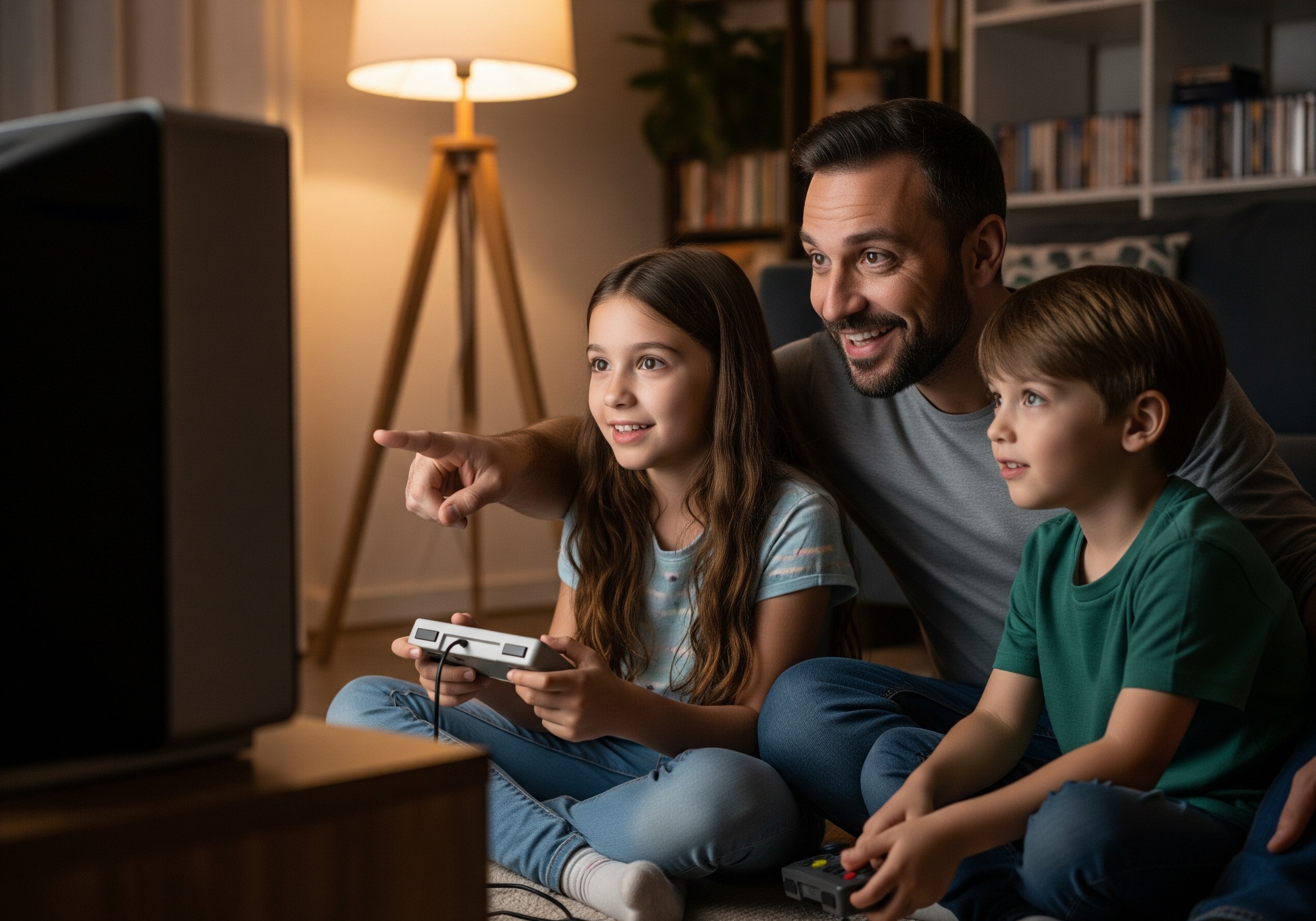
Teaching My Kids Retro Games: Bridging Generations Through Gaming
A parent's journey introducing children to classic games and discovering that the lessons of retro gaming transcend generations.
The Day I Became "That Dad"
"Dad, this game looks old."
My 10-year-old was staring at Super Mario Bros with the kind of skepticism usually reserved for vegetables.
"It is old," I admitted. "It came out before I was born."
"And you want me to play it... why?"
Good question. Why did I want my modern, Fortnite-playing, Roblox-building children to play games from the 1980s?
The answer surprised me.
The Experiment Begins
I set ground rules for our "Retro Game Saturdays":
- No judgment — The graphics are old. That's the point.
- Take turns — One plays, others watch and help.
- No guides — Figure it out together.
- Patience required — No rage-quitting.
Week one: Super Mario Bros. Week two: The Legend of Zelda. Week three: Contra (with the Konami code, because I'm not a monster).
What happened next changed how I think about gaming.
What They Learned
1. That Failure Is Part of Play
My kids are used to modern games with generous checkpoints, auto-saves, and unlimited retries. Super Mario Bros gave them three lives and said "good luck."
At first, frustration. "This is unfair!"
Then, something shifted. They started planning. Watching enemy patterns. Discussing strategies.
"Okay, if I jump HERE, I can get the mushroom before the Goomba..."
They were learning through failure — genuinely learning, not just being fed solutions.
2. That Simplicity Requires Skill
"There's only two buttons!" my daughter said, as if accusing the game of laziness.
An hour later: "WHY IS THIS SO HARD WITH ONLY TWO BUTTONS?"
She was discovering that mechanical simplicity often hides deep skill ceilings. Modern games with 15 button combos can feel complex, but retro games with two buttons can be harder to master.
3. That Games Tell Stories Differently
In The Legend of Zelda, there's no tutorial. No voice acting. No cutscenes explaining what to do.
"Where do I go?" my son asked.
"Explore and find out," I said.
He was annoyed. Then intrigued. Then invested in a way I hadn't seen with more guided games.
When he finally found the dungeon, he had found it. Not a waypoint. Not a minimap marker. Him.
4. That Cooperation Works
Contra in two-player mode became a masterclass in teamwork.
"You take the top, I'll get the guys on the ground!"
"Don't grab the spread gun, I need it!"
"We have to stay on screen together!"
Modern multiplayer often means everyone doing their own thing. Classic co-op requires genuine coordination.
What I Learned
They Don't Need Hand-Holding
I kept wanting to help. "The secret is in that bush." "Jump when you hear the third beep."
They didn't want my help. They wanted to figure it out.
Modern games often underestimate players, constantly tutorializing. My kids proved that players — even young ones — are capable of discovery.
Graphics Aren't Everything
After the initial resistance, my kids stopped commenting on graphics entirely. They were too busy playing.
Good gameplay transcends visual fidelity. A lesson I knew intellectually but watched them discover firsthand.
Gaming History Matters
"So this is like... where games came from?" my daughter asked after a few weeks.
"Yeah. These are the games that invented the rules."
She started seeing connections. "Oh, like how Mario jumps is the same as how Celeste jumps?" Yes! Exactly!
Understanding gaming history deepens appreciation for gaming present.
Our Favorites (And Surprises)
Games They Loved (Expected):
- Super Mario Bros — Universal appeal
- Sonic the Hedgehog — Speed is timeless
- Tetris — Puzzle perfection
Games They Loved (Surprised Me):
- Mega Man 2 — They found it "fair hard, not cheap hard"
- River City Ransom — RPG elements + beat-em-up = addicting
- Kirby's Adventure — Accessible but with depth
Games That Didn't Land:
- Dragon Warrior — Too slow for their taste
- Ghosts 'n Goblins — Too hard, even for me to defend
- Kid Icarus — The controls frustrated them
How to Start Your Own Retro Sessions
Choose Carefully
Start with accessible games. Super Mario Bros, not Battletoads. Kirby before Mega Man.
Set Expectations
"The graphics are simple, but the gameplay is deep. Give it a real chance."
Play Together
Don't just hand them a controller. Sit beside them. React to their successes and failures. Make it social.
Share Your Stories
"This level gave me so much trouble as a kid." "I played this with your uncle." Context makes the experience richer.
Let Them Lead
Once they get comfortable, let them choose what to try next. Their curiosity will guide them.
The Bigger Picture
Retro Game Saturdays became about more than gaming. They became about:
- Shared experience — We're all in the same room, playing the same game
- Conversation starters — "What was gaming like when you were a kid?"
- Skill building — Patience, problem-solving, coordination
- Memory making — Moments they'll remember
My skeptical 10-year-old? She now requests retro games. "Can we play Mega Man?" is a sentence I never expected to hear.
Try It Yourself
If you have kids (or nieces, nephews, younger siblings), consider introducing them to retro games. Not as a nostalgia trip for you, but as an experience for them.
Start here:
- Super Mario Bros — The perfect introduction
- Kirby's Adventure — Gentle difficulty curve
- Sonic the Hedgehog — Fast and accessible
- Tetris — Timeless puzzle action
The games that shaped you might just shape them too.
New to retro gaming yourself? Check out our beginner's guide to retro gaming or explore why classic games remain so engaging.
About the Author
David Park is part of the Innovatex team, dedicated to preserving and sharing the rich history of retro gaming with enthusiasts worldwide.
Related Articles
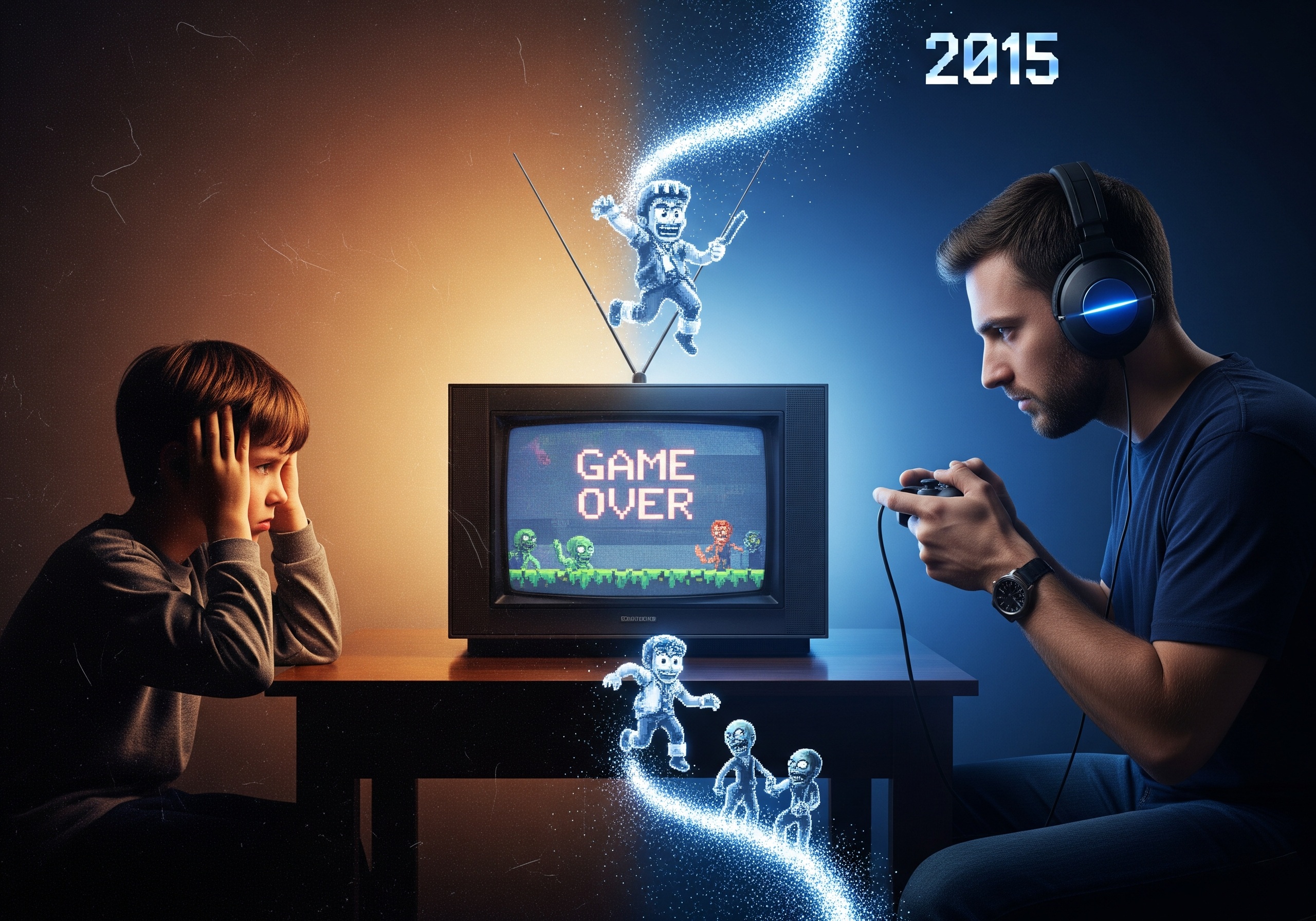
My First Time Beating a 'Impossible' Game: The Journey to Conquering Ghosts 'n Goblins
A personal story about spending months trying to beat one of gaming's hardest games and what it taught me about persistence, patience, and the true meaning of achievement.
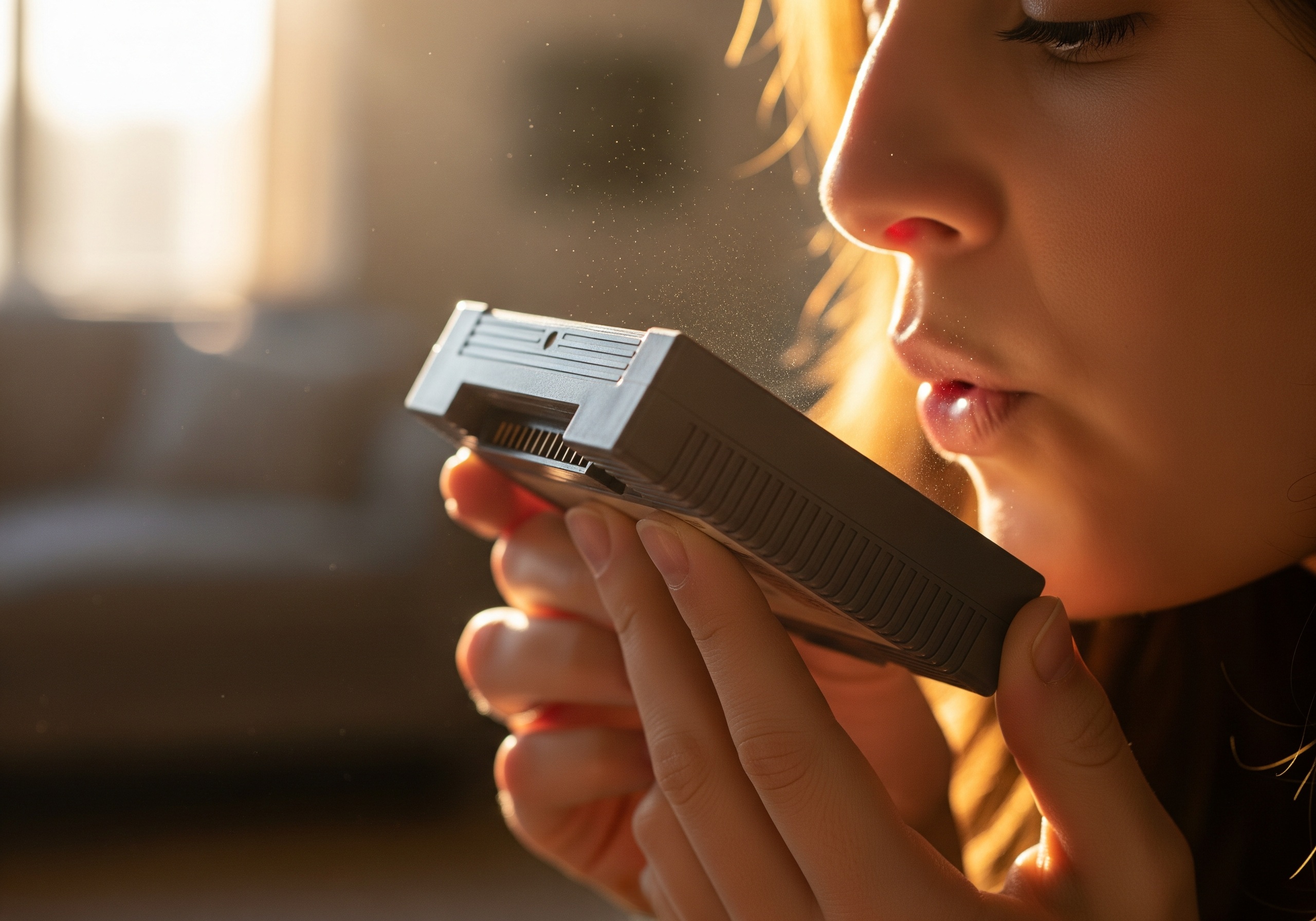
The Smell of Cartridges: How Retro Gaming Triggers Our Deepest Memories
Explore the powerful connection between retro games and nostalgia, and discover why certain games transport us instantly back to childhood.